
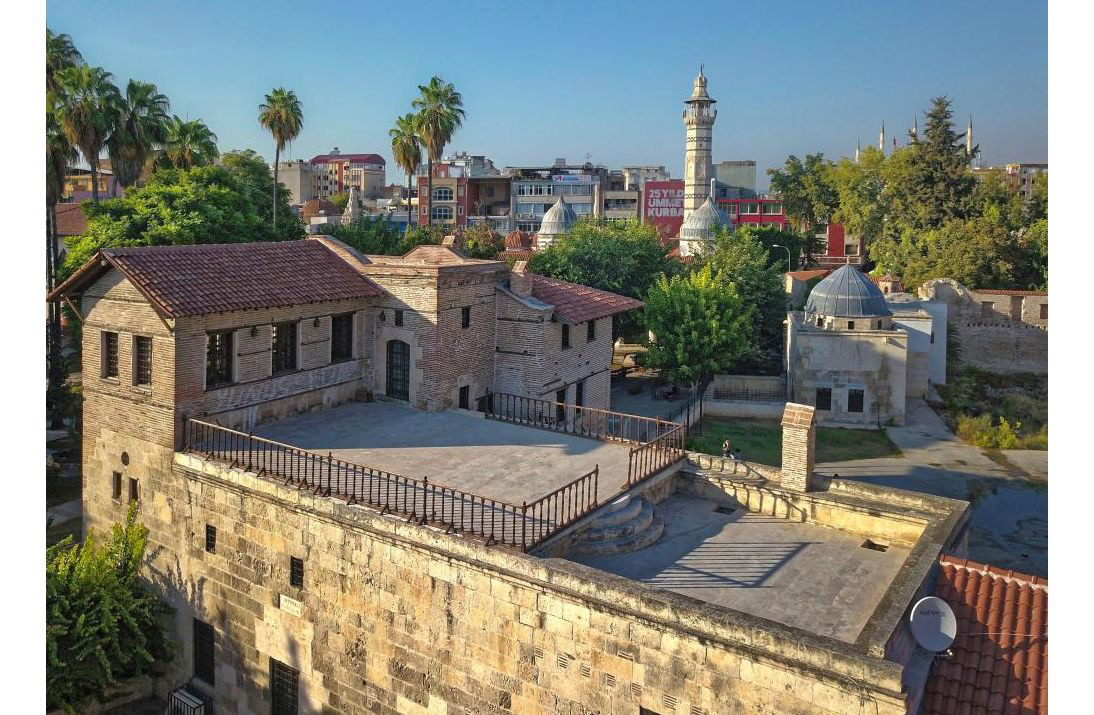
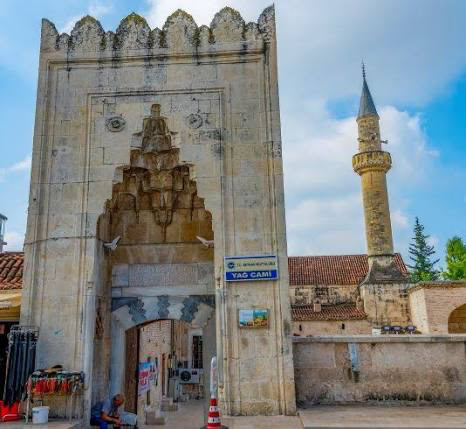
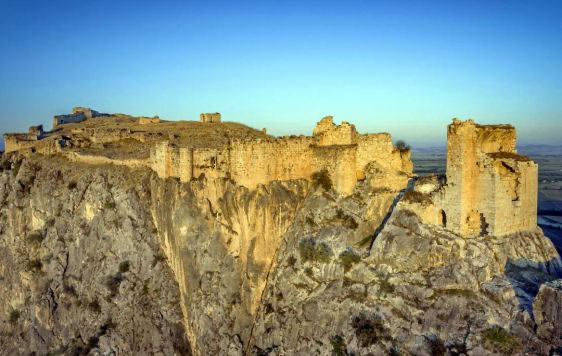
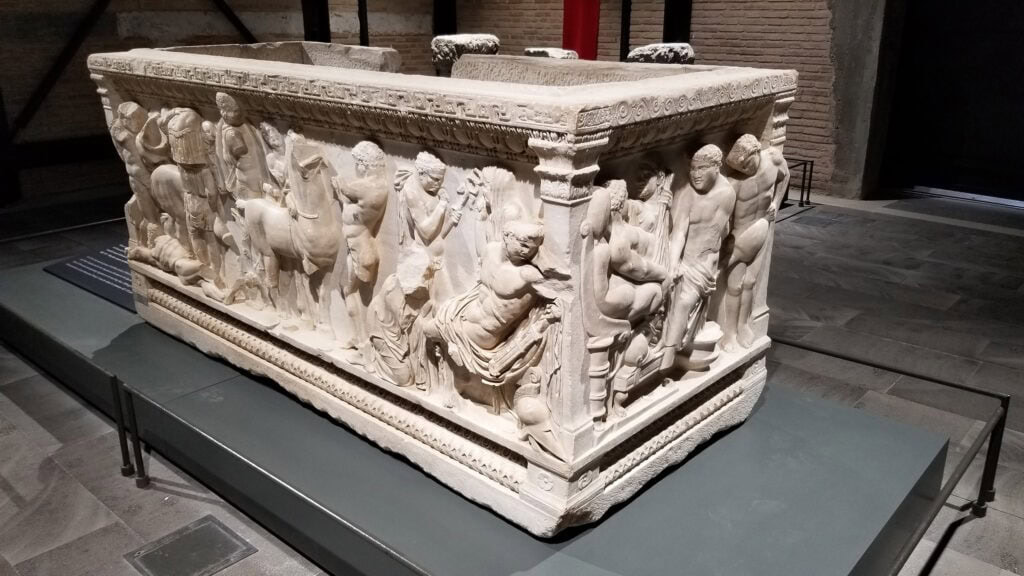
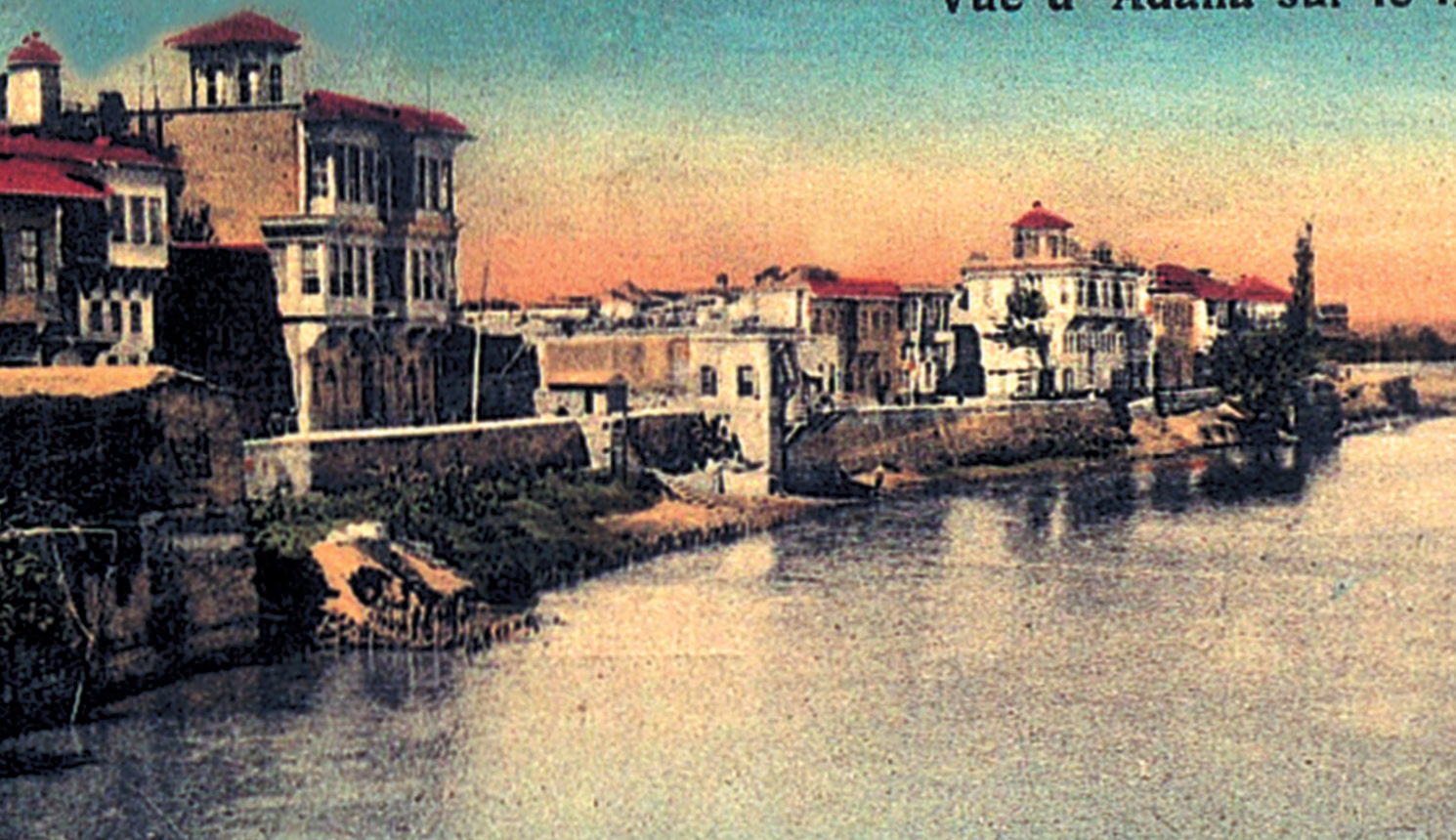
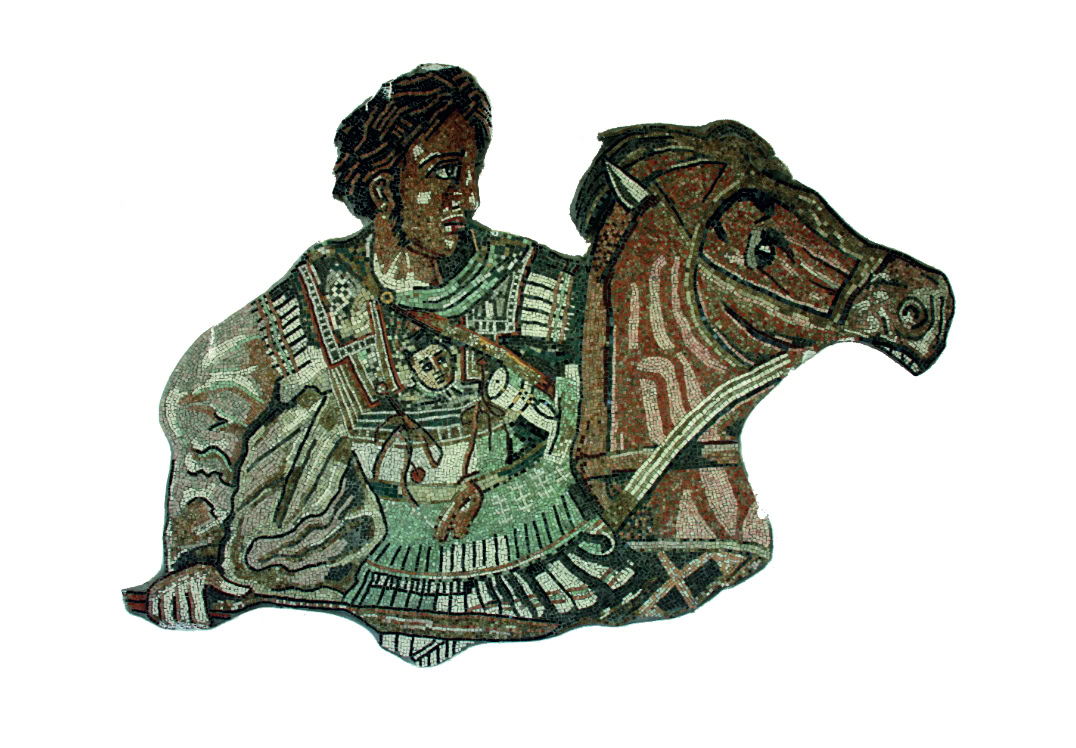

Blessed with fertile, well-watered soil and a favorable climate, Adana has been home to numerous civilizations since 6000 BCE, establishing itself as a lasting hub for agriculture and commerce.
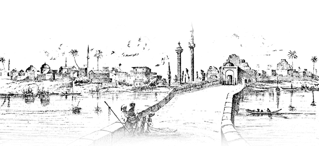
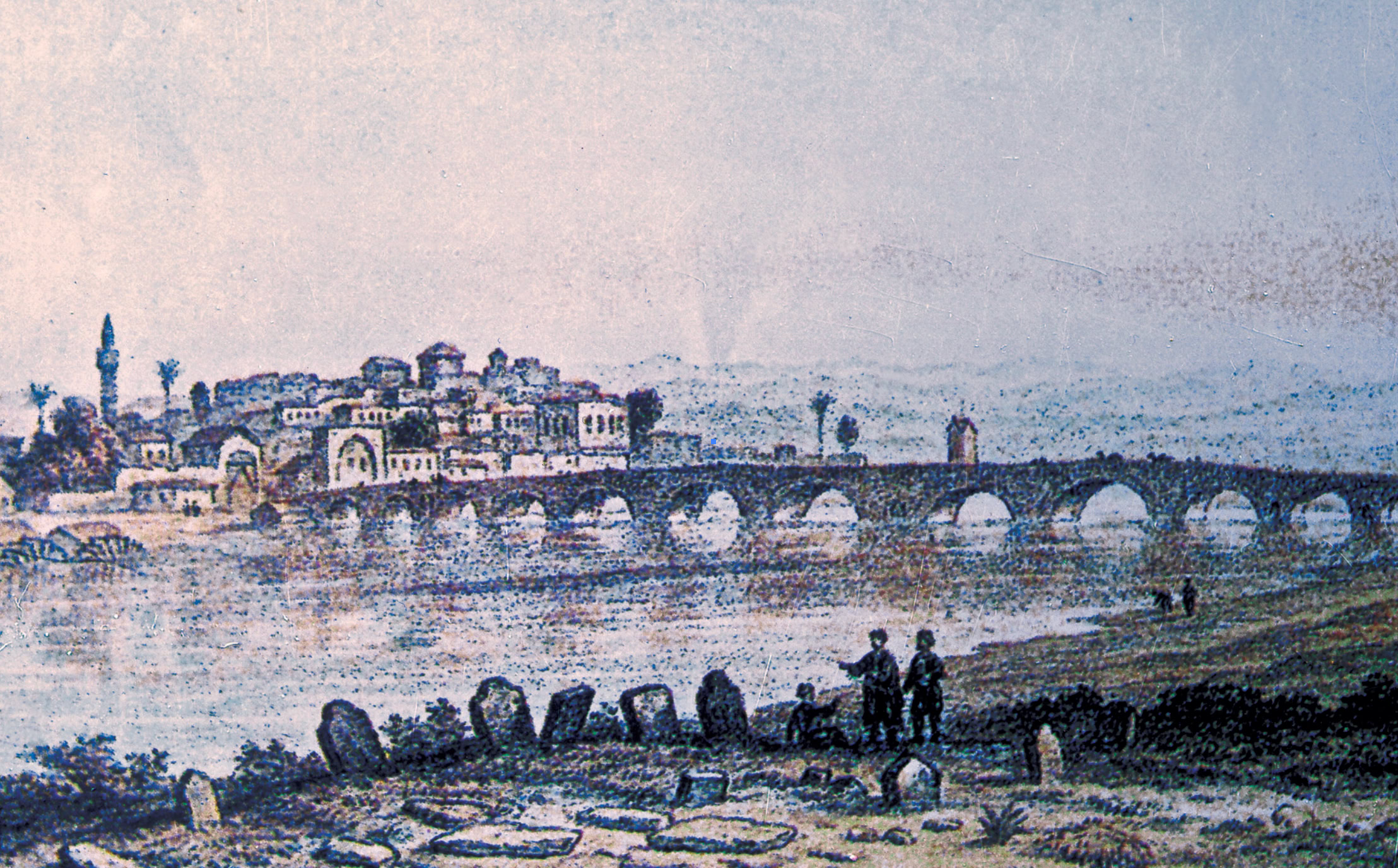
Throughout antiquity, the city fell under the rule of the Hittites, Assyrians, Persians, Hellenistic kingdoms, Romans, and Byzantines. Adana entered a new era of rapid growth with the arrival of the Turks, seeing the construction of landmark monuments particularly under the Ramazanid Principality. In 1517, during Sultan Selim I’s Egyptian Campaign, the city officially integrated into the Ottoman Empire, where it achieved immense economic significance as a booming center for cotton production and regional trade.
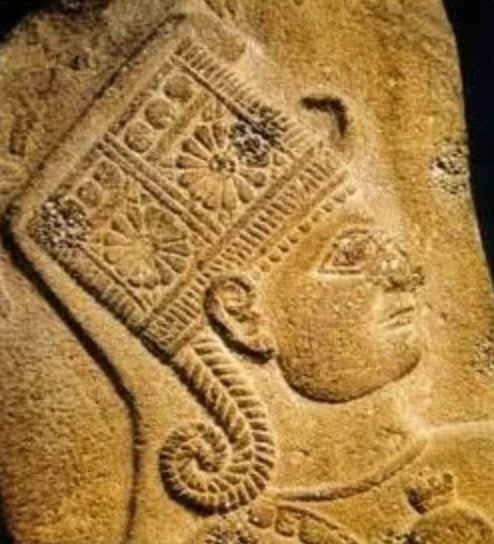
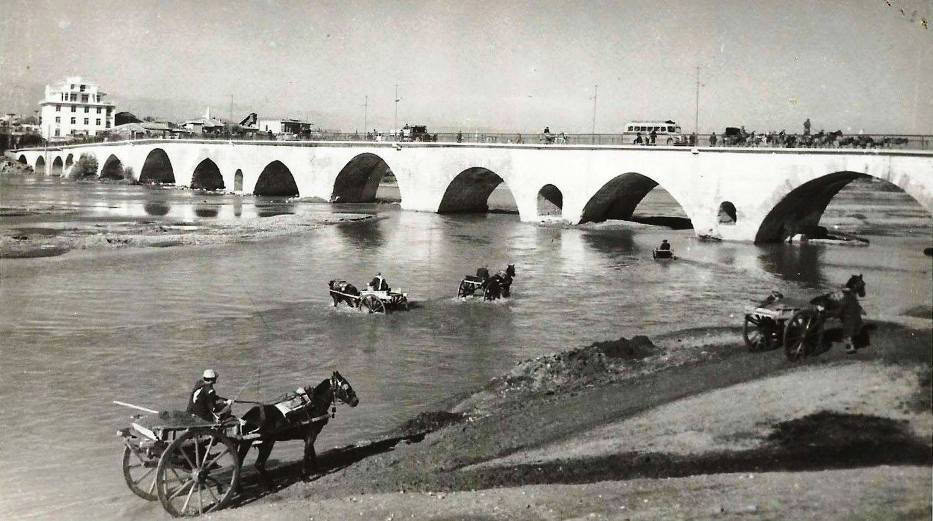
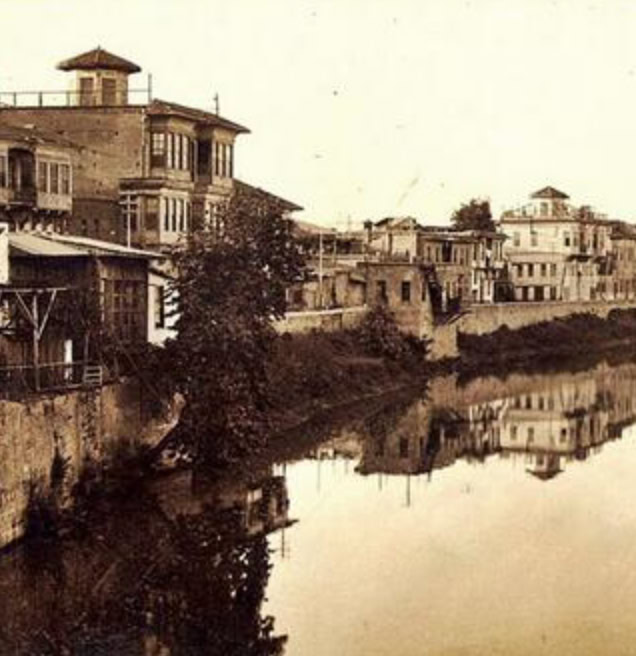
During the Republican era, Adana experienced rapid growth fueled by the expansion of its agro-based industries. Throughout history, the city’s name has taken various forms. Situated in the region historically known as Cilicia in ancient sources, the city was recorded as “Uri Adania” in Hittite cuneiform tablets. When exploring Çukurova’s Hittite history, it is impossible to overlook Puduhepa. Living in the 13th century BCE, Queen Puduhepa was the wife of Hittite King Hattusili III and stood as one of the most powerful and influential queens in the history of the Hittite Empire. losely tied to the ancient region of Kizzuvatna, Puduhepa played an active role in diplomacy between the Hittites and Egypt, profoundly shaping relations following the historic Treaty of Kadesh. Through her deep connections to Çukurova, Queen Puduhepa remains a defining figure who reflects the immense geopolitical and historical weight of the region during the Hittite era.
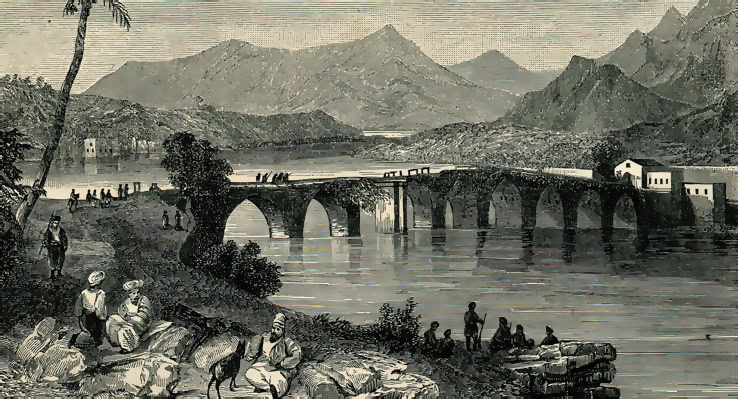
According to mythology, the origin of the city’s name traces back to Adanus and Sarus, the two sons of the sky god Uranus. Legend has it that upon arriving in the region, Adanus bestowed his name upon the city, while Sarus gave his to the Seyhan River.
City History
+90 322 502 56 12
Contact
2026 ADANA